Riskiest Countries for Solo Travel: How to Judge Safety
Which country is the riskiest to travel alone?
There isn’t one universal “riskiest country” for solo travel because risk changes by city, neighborhood, time of day, and your travel style. A place can be relatively safe for a guided beach trip but high-risk for independent overland travel, nightlife, or border crossings. Instead of chasing a single country name, our team recommends you rate risk using factors that actually affect solo travelers: current conflict or civil unrest, kidnapping/violent crime patterns, scams targeting tourists, infrastructure and medical access, and how easy it is to get help (language barriers, police response, and connectivity).
How to decide if a destination is too risky for you
1) Start with current advisory signals
Check official travel advisories and recent local news for “do not travel” warnings, curfews, emergency declarations, and spikes in violent crime. Then narrow it down to the specific region you’ll visit—many countries have low-risk and high-risk zones side by side.
2) Match the risks to your itinerary
If your plan includes late-night transportation, rural roads, or frequent cash handling, your exposure rises. A “safe on paper” destination can still become risky if you’ll be commuting long distances after dark or staying far from populated areas.
3) Pack for prevention and fast recovery
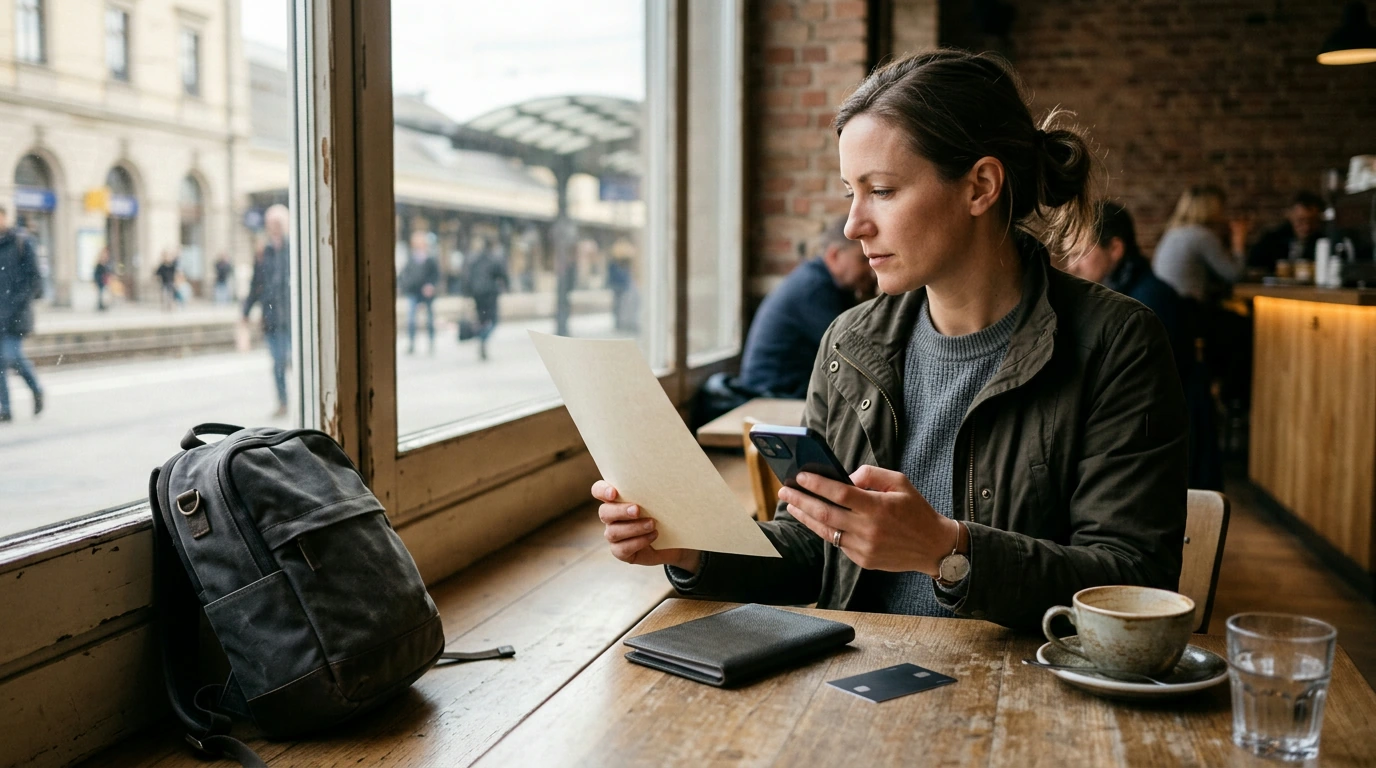
We stock practical solo-travel essentials that reduce common failure points: a door-stop alarm or portable door lock for an extra layer at the hotel, an RFID-blocking wallet to cut pickpocket losses, a compact first-aid kit for minor injuries, and a discreet crossbody or money belt that keeps valuables close. Add a small personal alarm and a power bank so you’re not stranded without a phone.
4) Use a simple safety plan every time
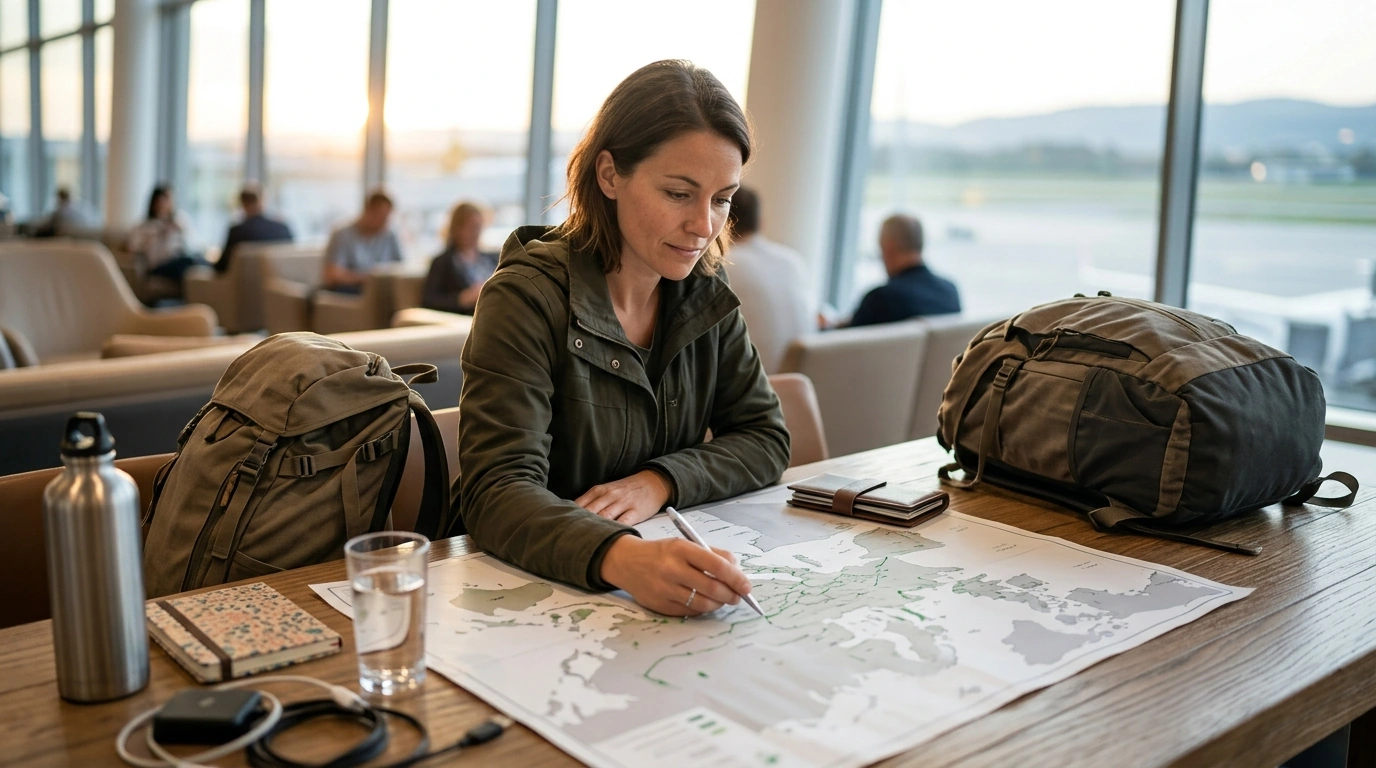
Before you go, set up check-in times with a trusted contact, save offline maps, and keep digital copies of your passport and insurance. Our team put these steps into printable checklists you can reuse for any destination—see our full guide here: Solo Travel Safety Plan + Checklists.
FAQ
What is the most unsafe country to travel to?
The most unsafe option is typically any country with active war, widespread kidnapping risk, or severe internal unrest at the time you’re traveling. Focus on current advisories and your exact route, since danger can vary dramatically by region.
What countries should solo female travelers avoid?
Avoid destinations and areas where harassment is pervasive and law enforcement support is unreliable, especially if you’ll need frequent public transit or late-night movement. Choose locations where you can stay in well-reviewed accommodations, use trusted transport, and keep a consistent check-in plan.
Which country is considered the most dangerous for travel?
“Most dangerous” is usually tied to current instability, high rates of violent crime against visitors, or limited emergency response. The safest approach is to evaluate today’s conditions and adjust your itinerary, lodging, and transportation to reduce exposure.









Leave a comment