Solo Travel Safety Plan: Checklists for Any Trip
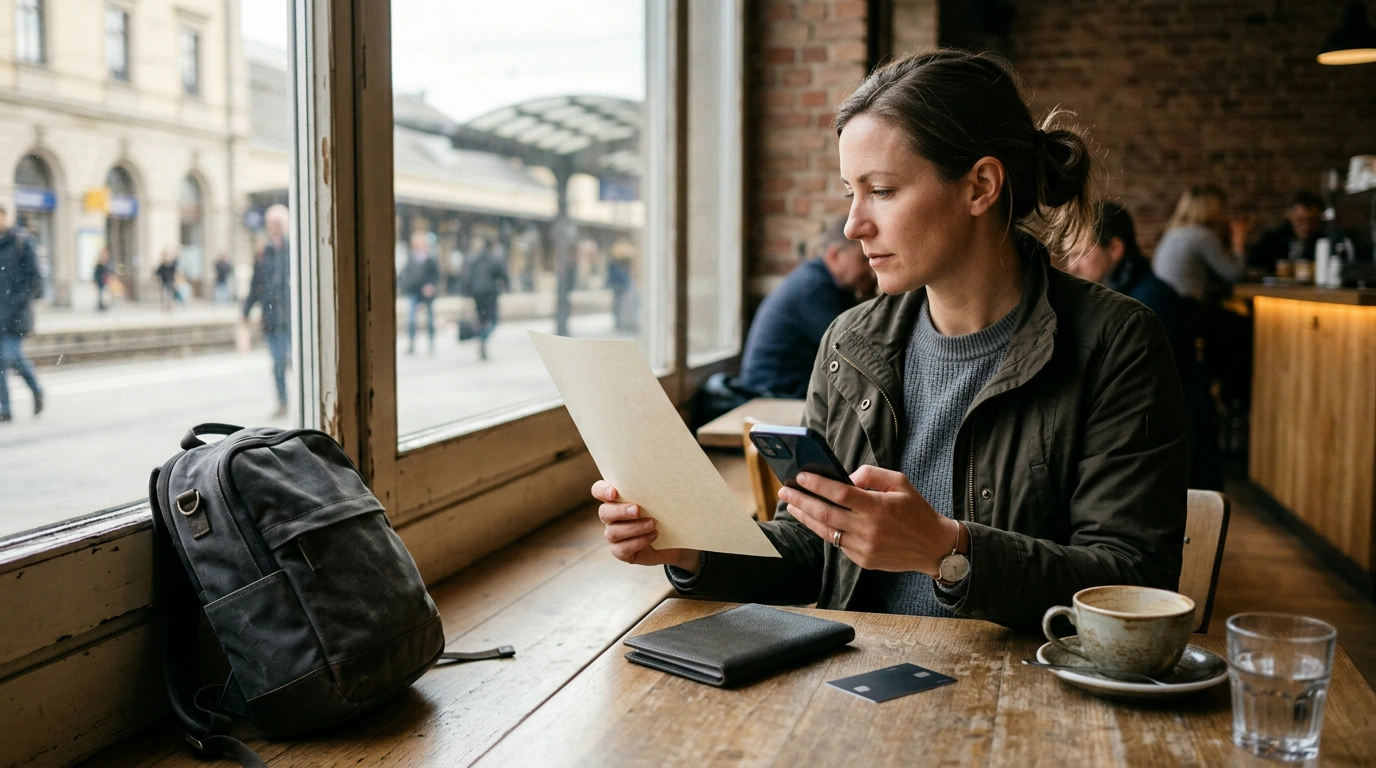
Solo Traveler’s Guide to Staying Safe: A Simple Security Plan You Can Use Anywhere
Solo travel feels freeing—until small gaps in planning turn into stressful moments. Our downloadable guide is built for travelers who want confidence without overthinking: clear safety habits, practical checklists, and a step-by-step travel security plan that works for quick weekend trips and long, multi-stop journeys.
What “staying safe” really means when traveling solo
When you’re traveling on your own, “safe” isn’t a single trick—it’s a system. Our team recommends thinking in layers so you’re not relying on one habit (or one lucky moment) to carry the whole trip.
- Prevention: reduce exposure to avoidable risks (arrival timing, neighborhood choices, alcohol limits, and how you carry valuables).
- Detection: notice problems early (a ride that doesn’t match details, a door that doesn’t lock well, a street that feels different at night).
- Response: know your next move without freezing (where to go, who to call, what to lock down first).
- Recovery: get back on track fast (backups for documents, money access, and account recovery).
Safety is mostly routine: how you book lodging, how you handle your phone and accounts, what you share publicly, and the boundaries you set with strangers. Instead of trying to predict every scenario, focus on controllables—local info, backups, documentation, and simple “if/then” rules. And set a personal baseline: what feels normal at home may not be the right standard in a new place (late-night walking, sharing your location, or drinking limits).
Inside the digital download: what the guide helps you do (fast)
Our Solo Traveler’s Guide to Staying Safe (Digital Download PDF eBook) is designed to reduce mental load. You’ll set up a one-page plan you can reuse, then rely on short checklists that keep you consistent even when you’re tired, jet-lagged, or navigating a brand-new city.
- Build a one-page travel security plan (contacts, documents, money access, transportation rules, and a simple decision tree).
- Use checklists for pre-trip, arrival day, daily routine, and emergency steps.
- Lock in safer logistics: accommodation screening, transit timing, airport/rail habits, and day-trip boundaries.
- Create a communication rhythm with someone at home (without broadcasting your itinerary).
- Prep for common issues: lost phone, card problems, neighborhood surprises, harassment, and medical needs.
What’s covered and when it helps most
| Guide Section | Best Time to Use It | Outcome |
|---|---|---|
| Pre-trip setup & document backups | Before booking + 48 hours before departure | Fewer last-minute mistakes; smoother recovery if something goes missing |
| Accommodation & neighborhood screening | Before paying for lodging | Better location choices; fewer unsafe arrivals |
| Arrival-day routine | First 2–4 hours in a new place | Calmer check-in; faster orientation |
| Daily safety habits | Every day on the trip | Consistent boundaries and lower exposure to common risks |
| Emergency actions & contacts | When something goes wrong | Clear next steps instead of panic-scrolling |
Pre-trip security planning that doesn’t overcomplicate the fun
The biggest wins usually happen before you ever leave home. A simple plan prevents the “rushed decision chain” that leads to problems.
- Route and timing: arrive in daylight when you can, and avoid tight connections that force you to accept sketchy transport or shortcuts.
- Document safety: store digital copies securely and keep a small printed backup of key phone numbers (not just names) in case your phone disappears.
- Money access: split funds across at least two methods; know how to freeze cards and how you’ll access emergency cash quickly.
- Phone readiness: update your OS, enable device tracking, use a strong passcode, and review privacy settings for transit/lodging apps.
- Health basics: carry prescriptions in original packaging and note destination-specific guidance from authoritative sources like CDC Travelers’ Health and U.S. Department of State travel resources.
If pre-trip anxiety tends to derail your planning, pairing a calm-down routine with your checklist can help you follow through. Our The Anxiety Relief Bundle: A Path to Calm is a supportive add-on for building steadier habits before and during travel.
Arrival-day routine: the highest-impact 30 minutes
Arrival is where solo travelers often get overloaded—new language, new layout, new rules. A short routine keeps you from broadcasting confusion or rushing into the wrong option.
Daily solo travel safety habits that keep you confident
What to do when something goes wrong (and how to recover quickly)
Even a careful traveler hits hiccups. The goal is to shorten the time between “something’s off” and “I’m back in control.” For broader security considerations and location-specific context, resources like OSAC traveler security resources can be useful.
A printable safety checklist you can keep on your phone
FAQ
What are the 10 riskiest countries for solo travelers?
It’s not reliable to rank entire countries because risk can vary dramatically by city, neighborhood, timing, and your own experience level. Use official advisories, recent local updates, and your personal risk factors (language comfort, arrival times, transportation plan) to make a decision.
What is the best travel company for solo travelers?
The best fit is the company that matches your comfort level and has clear safety policies, vetted guides, and realistic emergency support. Look for transparent communication, lodging standards you understand, and group expectations that reduce confusion on the road.
Are Airbnbs safe for solo travelers?
They can be, if you screen carefully: prioritize strong review history, consistent host track record, and a location you’ve checked for safe arrival routes. Make sure check-in instructions are clear, locks and entry are straightforward, and you have a backup plan if the property feels wrong when you arrive.









Leave a comment