Solo Female Travel: When to Avoid a Country
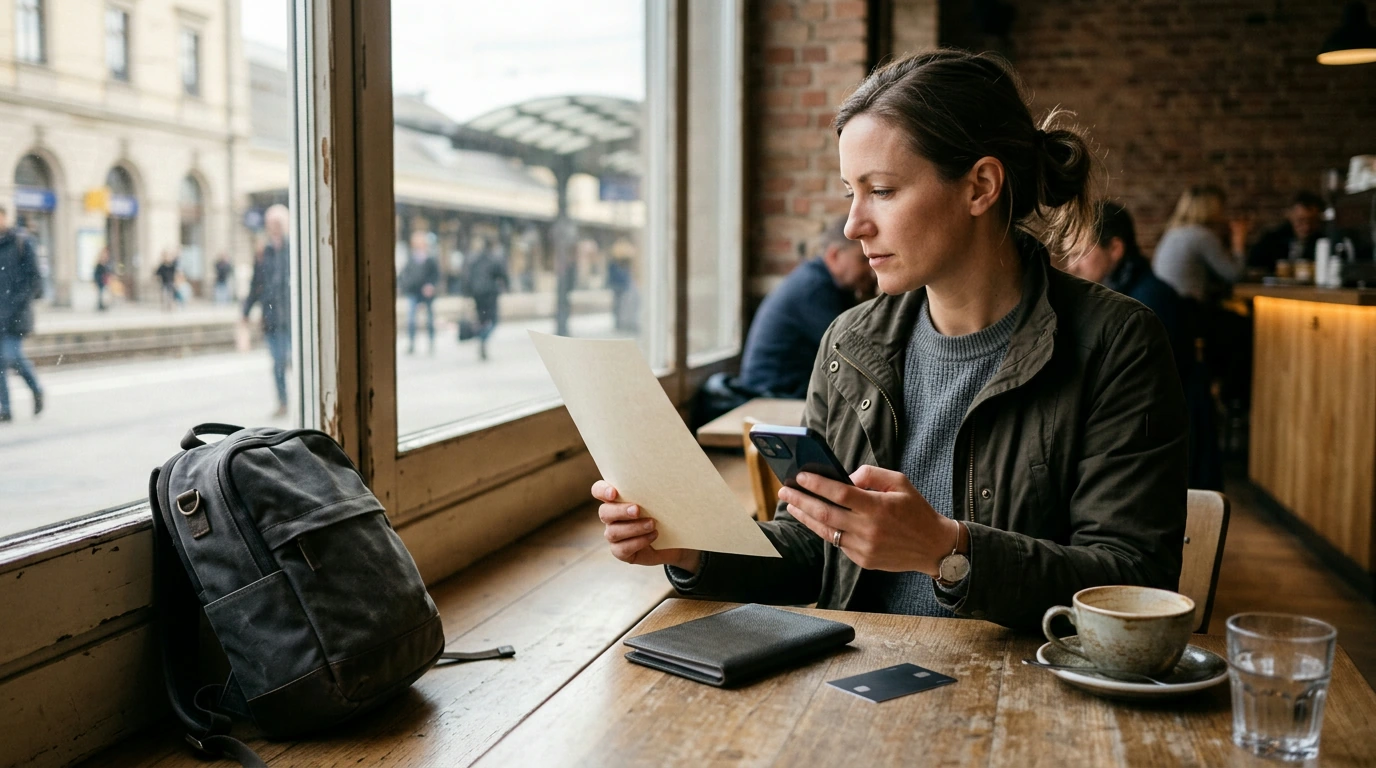
What countries should solo female travelers avoid?
Instead of relying on a single “avoid list” (which can change fast), our team recommends using a practical filter to spot higher-risk destinations for solo female travelers. The goal isn’t fear—it’s choosing places where you can move freely, get help quickly, and spend your energy enjoying the trip.
1) Avoid places with active conflict or frequent civil unrest
If a destination has ongoing fighting, regular large-scale protests, or a recent pattern of kidnappings and terrorism incidents, the risk can spike overnight. Even if you stay in “safe” neighborhoods, roadblocks, airport shutdowns, and sudden curfews can trap travelers.
2) Be cautious with countries that have weak emergency response
Solo travel is smoother when emergency services, hospitals, and police response are reliable. If a country has limited medical infrastructure, widespread corruption, or inconsistent law enforcement, it can be harder to resolve harassment, theft, or a health issue quickly.
3) Consider how women are treated under local law and custom
Some destinations have strict rules around women’s dress, behavior, or interactions, and penalties can be severe. If local norms make it difficult to refuse attention, ask for help, or report a crime without consequences, that’s a strong sign to choose somewhere else—especially for a first solo trip.
4) Watch for high rates of violent street crime in tourist zones
High robbery and assault rates around transit hubs, nightlife districts, and popular attractions increase risk for anyone, but especially for travelers moving alone. If you still go, tighten your plan: book reputable transport, limit late-night walking, and stick to areas with consistent foot traffic.
Pack a safety setup that supports your choices
Wherever you go, simple gear can reduce exposure: a loud personal alarm, a compact door wedge/door alarm for lodging, crossbody anti-theft organization, and a power bank so your phone stays online. For our full safety planning workflow, use our detailed guide here: solo travel safety plan checklists for any trip.
FAQ
What is the best country to travel alone as a woman?
The best choice is a country where you can comfortably navigate transportation, access emergency help, and blend into everyday routines. Prioritize destinations with strong public infrastructure, clear local norms, and plenty of traveler-friendly accommodations.
Which country is the safest for solo female travellers?
The safest option is typically a country with low violent crime, strong rule of law, and reliable healthcare and transit. Pick places where you can stay in well-reviewed neighborhoods and easily get help if something feels off.
What countries should I avoid traveling to right now?
Avoid countries experiencing active conflict, widespread civil unrest, major spikes in violent crime, or sudden legal changes that affect women’s freedom of movement. Check current government travel advisories and match them against your route, lodging, and transportation plan.









Leave a comment