Safest Countries for Solo Travel: How to Choose
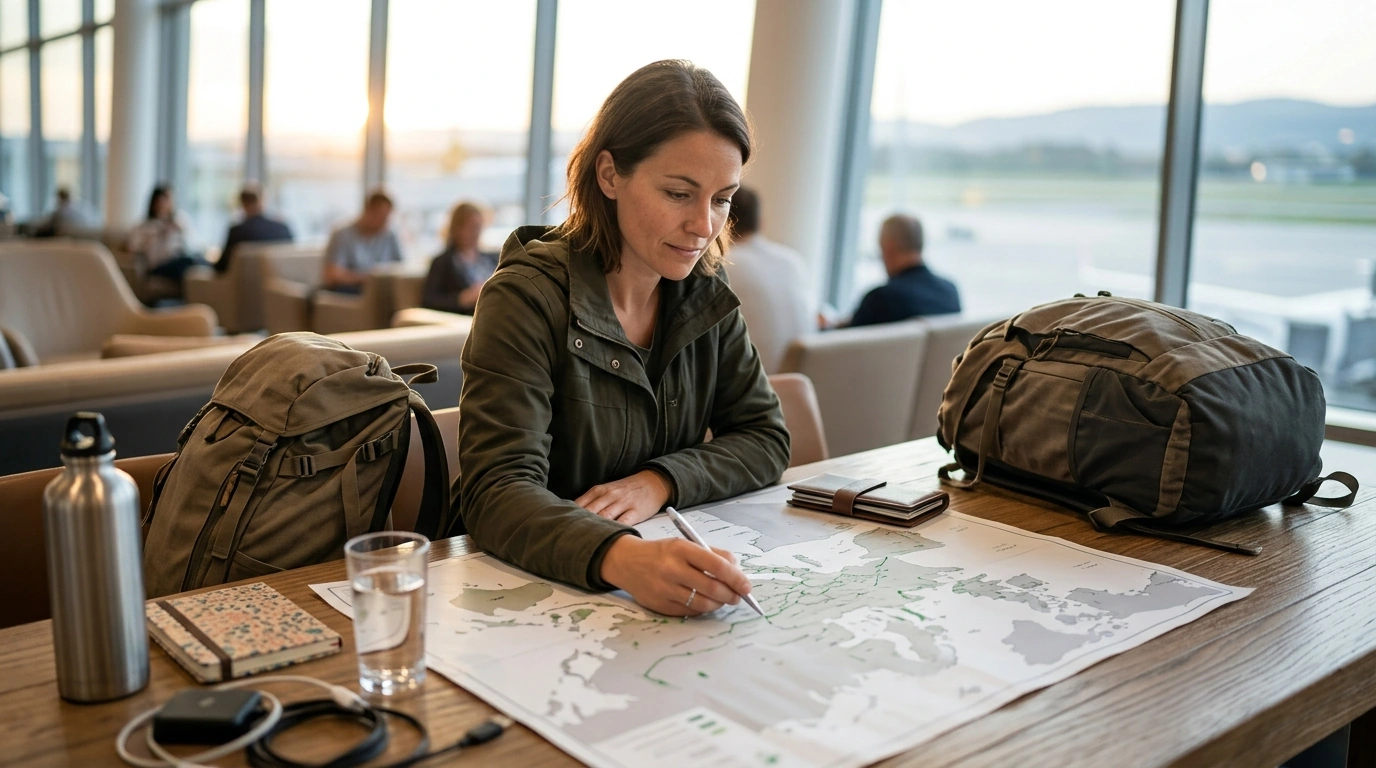
What is the safest country to travel to by yourself?
There isn’t one universally “safest” country for solo travel because safety depends on your comfort level, your itinerary (big cities vs. rural areas), the season, and how you move around (public transit, rideshares, rental car). That said, several countries consistently rank well for low violent crime, strong infrastructure, and traveler-friendly services—especially for people traveling alone.
Countries that are frequently considered very safe for solo travelers
If you want a strong starting shortlist, these destinations are widely known for stability, reliable transportation, and a culture of public order: Iceland, Japan, Singapore, Switzerland, New Zealand, Portugal, and Ireland. Each offers different strengths—Japan and Singapore for exceptionally orderly transit, Iceland and New Zealand for low crime and outdoor-focused travel, and Switzerland for infrastructure and emergency services.
How to choose the “safest” option for you
Our team recommends narrowing your choice using three practical filters: (1) how comfortable you feel navigating the language and transit system, (2) whether you’ll be out late (nightlife vs. early mornings), and (3) how far you plan to roam from major hubs. A country can be statistically safe yet still feel stressful if you’re constantly unsure about directions, payments, or local norms.
What “safe” looks like day to day (and what to pack)
Regardless of destination, solo safety improves most with routine: arrive in daylight when possible, keep a backup payment method, and share your nightly plan with someone you trust. Pack items that reduce friction and keep your essentials secure—an RFID-blocking wallet, a crossbody bag with locking zippers, a compact door stop alarm, and a portable charger so you’re never stranded with a dead phone. We also suggest carrying a discreet whistle or personal alarm for crowded transit areas.
A simple way to plan before you book
Use a repeatable system: build a “safe arrival” checklist, a “daily check-in” habit, and a “lost phone/lost wallet” plan before you go. For a step-by-step framework you can reuse for any destination, visit our guide: Solo Travel Safety Plan: Checklists for Any Trip.
FAQ
How can I stay safe in a hotel or Airbnb when traveling solo?
Choose places with good access control and recent reviews, keep your door secured with a portable door stop or alarm, and avoid sharing your room number or exact address publicly. Set up a nightly check-in with a friend and keep your key, phone, and ID in the same “always with you” pocket or pouch.







Leave a comment